Why some wounds heal slowly and how a hyperbaric chamber helps
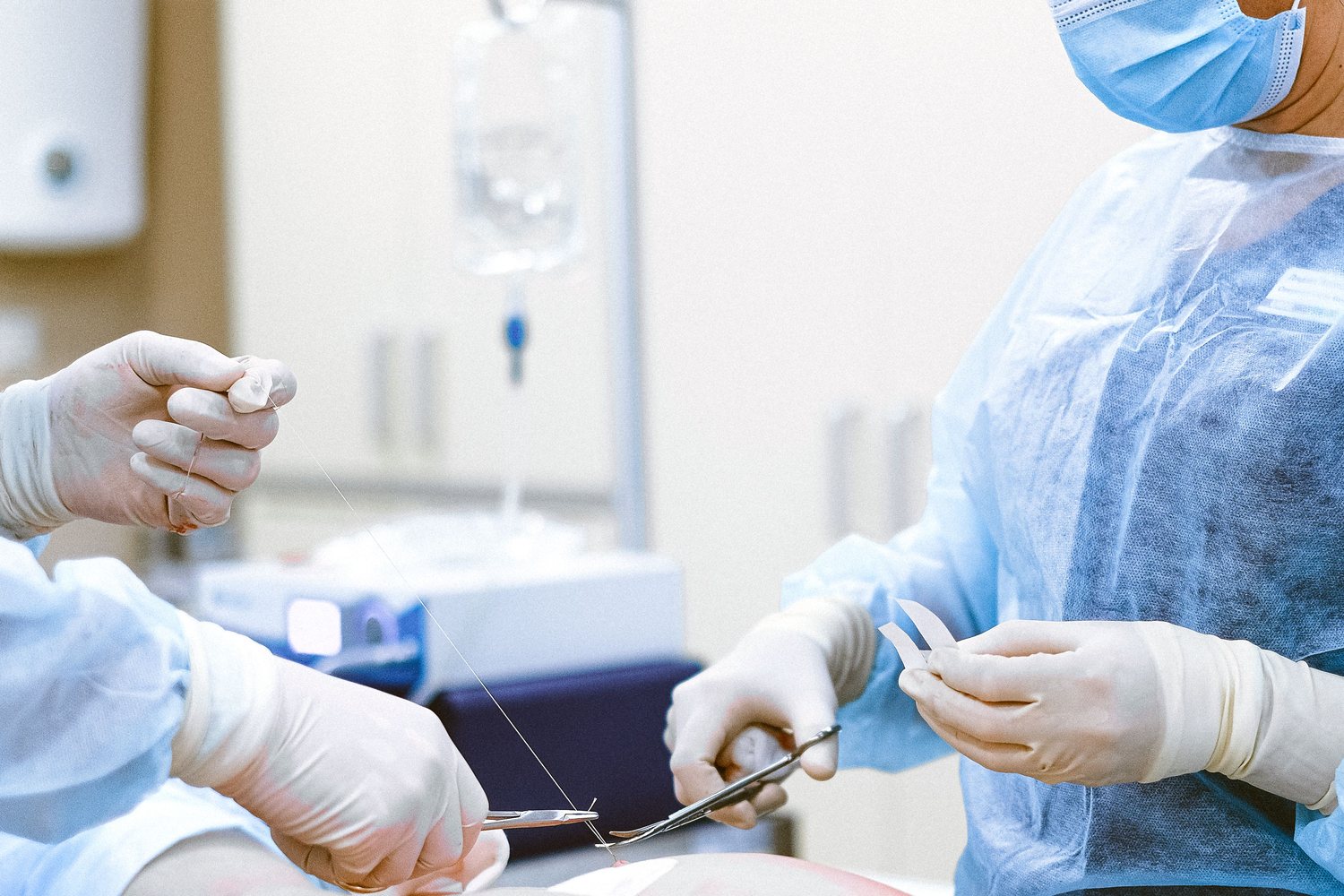
Most wounds heal on their own. Some, though, take weeks or months, or never heal at all. The common denominator is usually a lack of oxygen in the affected tissue. And this is exactly where hyperbaric oxygen therapy (HBOT) has its place.
What a wound needs in order to heal
Healing is not just a matter of the wound “closing over”. The body has to build entirely new tissue, and to do that it needs several things at once:
- oxygen as the fuel for the whole process,
- new capillaries, which bring blood and nutrients into the wound. This process is called angiogenesis,
- collagen, the protein that forms the scaffold of new tissue and the walls of blood vessels,
- stem cells, which take part in repairing damaged tissue.
The key point is that all of these steps depend on oxygen. Without it the body cannot make enough collagen or enough new blood vessels. Oxygen here is not an “extra”; it is the raw material without which healing stalls.
Why a wound does not heal
Healing stalls most often where the tissue is poorly perfused. Poor blood flow accompanies a range of conditions: diabetes, damage to blood vessels, prolonged pressure on one spot, or the after-effects of certain medical treatments. Less blood means less oxygen and less building material. The wound then stops halfway.
Every wound benefits from enough oxygen
A simple principle applies: every wound heals better when it has enough oxygen and enough building material. With ordinary, uncomplicated wounds the body manages on its own and needs no special support.
With slow-healing wounds the situation is different. Here healing reaches the point where a lack of oxygen is what decides whether the wound closes. And that is exactly where HBOT makes the most sense.
How HBOT helps
HBOT delivers far more oxygen into the body than it can take up under normal conditions. Under raised pressure, oxygen dissolves directly in blood plasma and reaches even places that are hard to get to through poorly perfused vessels. We describe the principle in detail in our complete guide to HBOT.
A better oxygen supply gets moving exactly the processes that healing needs. It supports the formation of new capillaries (angiogenesis), increases collagen production, supports the release of stem cells and helps to dampen inflammation and fight infection.
In which wounds is the evidence for HBOT strongest
In practice HBOT is most useful where healing stalls despite correct care. Its best-documented uses are slow-healing (chronic) wounds, diabetic foot and support for healing after surgery, including the take of skin grafts and flaps. In diabetic foot it is considered particularly when a wound does not respond to standard treatment within a few weeks. The benefit is confirmed by clinical studies and by international professional societies.
Healing after surgery is a chapter of its own. With surgical operations the body is coping not only with the wound but often with another illness as well. Support for healing can therefore matter especially here. We cover this topic in detail in a separate article, After surgery and cosmetic procedures.
What a course of sessions looks like, and what to expect
Healing is a series of sessions, not a one-off procedure. We assess the number of sessions, and whether they make sense at all, individually according to the type and state of the wound.
It is important to understand where the limits are. HBOT complements ordinary wound care, it does not replace it. Addressing the cause remains just as important — bringing diabetes under control, for example, or improving blood flow. We see the best results when HBOT works alongside standard treatment. We don’t promise miracles, but where healing has stalled because of a lack of oxygen, it can get it going again.
Where to start
If a wound of yours, or of someone close to you, has not healed for a long time, get in touch for a no-obligation consultation. We will assess whether HBOT makes sense in your situation, and we will tell you straight. No obligation, no overpromising.
More articles
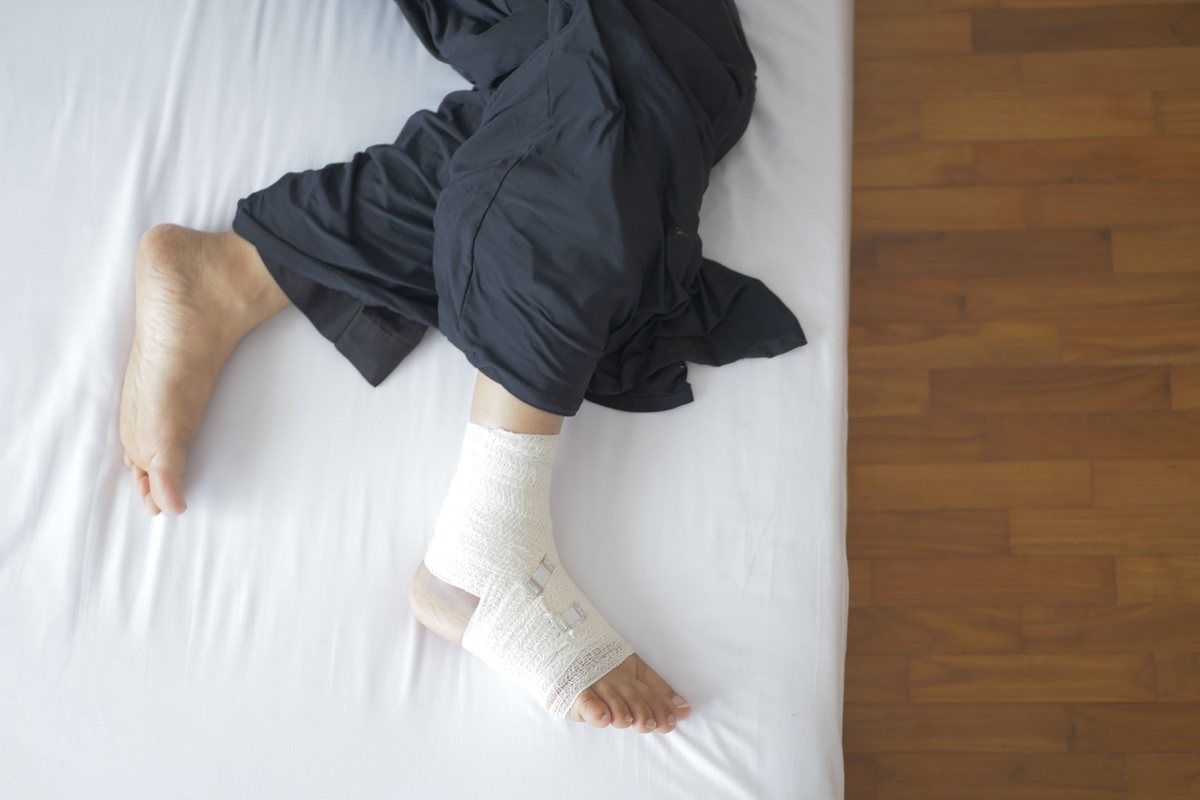
Diabetic foot: why wounds heal poorly and how oxygen can help
A non-healing wound in someone with diabetes can be very dangerous. Why wounds heal poorly in diabetes, how oxygen can help and why it pays not to wait.
Read more
After surgery and cosmetic procedures: how a hyperbaric chamber supports preparation and recovery
Every operation puts the body under strain. How hyperbaric oxygen therapy can help prepare the body for a procedure and recover from it, and how cosmetic and surgical operations differ.
Read more