
Diabetic foot: why wounds heal poorly and how oxygen can help
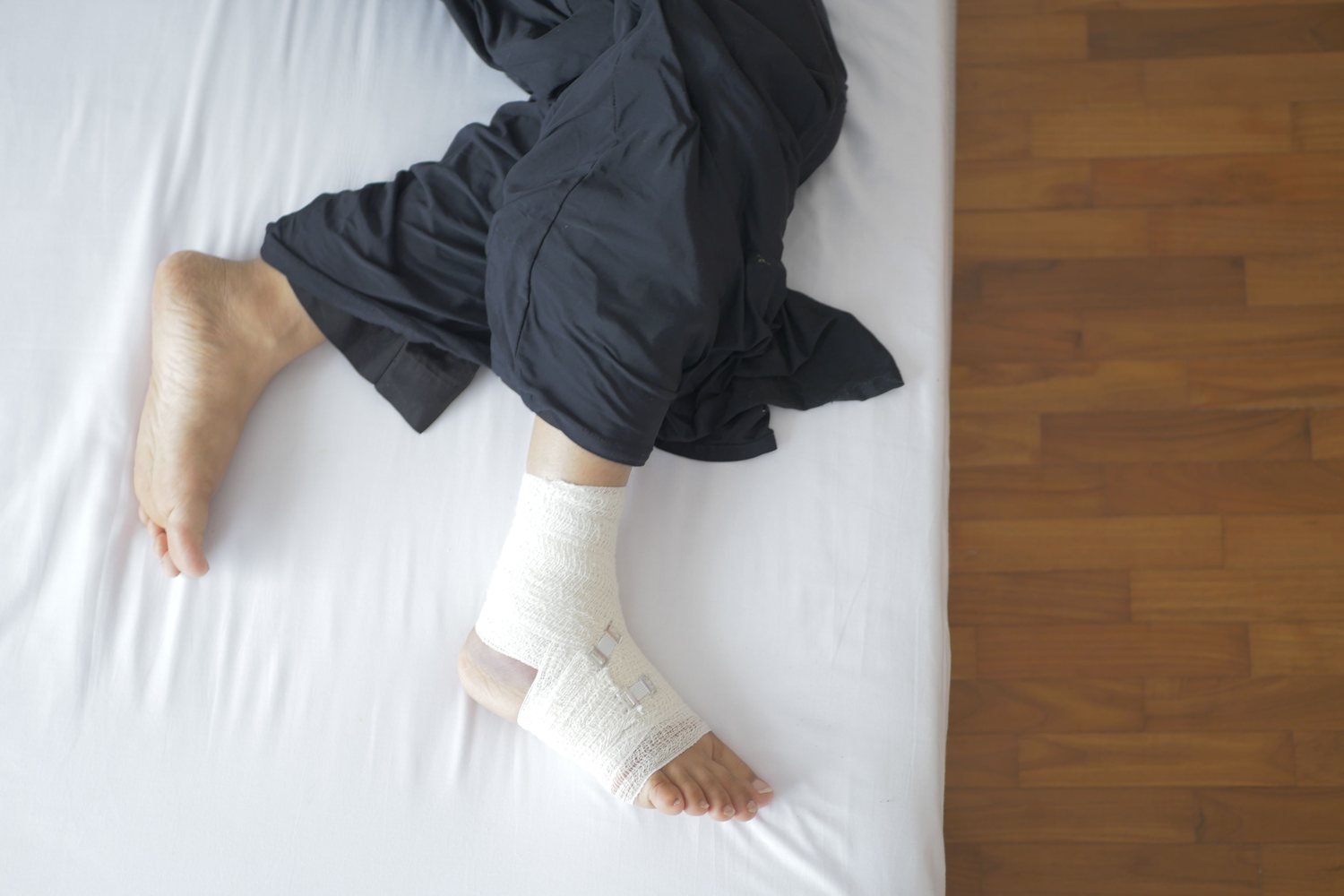
A non-healing wound in someone with diabetes can be very dangerous. It drags on for weeks, becomes infected easily and, in the worst case, can lead to amputation. The common denominator is usually a lack of oxygen in the affected tissue. And this is exactly where hyperbaric oxygen therapy (HBOT) has a documented place as an adjunct to standard treatment.
Why wounds heal poorly in diabetes
Persistently high blood sugar damages two things at once. The small blood vessels that carry blood and oxygen to the tissue, and the nerves that govern sensation.
The result is a dangerous combination. Reduced sensation means a small injury often goes unnoticed. Poorer blood flow leads to slower healing and weaker defence against infection. The tissue simply does not have enough oxygen or building material to repair itself.
What a wound needs in order to heal
Healing is a demanding process. The body has to build new tissue, create new capillaries and fight off infection. All of these steps consume energy, and energy depends directly on how much oxygen is available. We go through this in detail in our article on wound healing. In diabetic foot, the oxygen supply is the weakest link.
How HBOT helps in diabetic foot
HBOT delivers far more oxygen into the body than it can take up under normal conditions. Under raised pressure, oxygen dissolves directly in blood plasma and reaches even poorly perfused tissue, where red blood cells struggle to carry it.
Better-supplied tissue heals more easily. A higher oxygen supply supports the formation of new blood vessels, wound healing and defence against bacteria. In diabetic foot, HBOT is an adjunct to standard treatment. It helps mainly with wounds that are not healing as they should.
What the science says, straight
Diabetic foot is one of the best-documented uses of HBOT. International professional societies recognise it as supportive therapy, and clinical reviews show improved healing, with some studies also reporting a lower risk of amputation.
But let us also put it the other way round. No study refutes HBOT in diabetic foot, yet some studies have their limitations and some questions need further research. The underlying condition always has the greatest influence. Without the diabetes itself being well controlled, HBOT may have only a temporary effect. It is not a miracle, but it is a sensible adjunct to other measures.
HBOT is an adjunct, not a replacement
The foundation of care in diabetic foot stays the same. Good control of the diabetes, professional wound care, taking pressure off the affected area and addressing blood flow. HBOT complements that care, it does not replace it. We see the best results when it works alongside the care of your diabetologist, podiatrist or vascular specialist.
Why it pays not to wait
In practice we often meet people who come to us late. The foot started to swell and change colour, the wound would not heal, and by the time care was fully under way, weeks or months had passed. Sometimes the slow route through the system is to blame: long waiting times for appointments and cautious hand-overs between departments.
Time matters here. The sooner a slow-healing wound and its cause are addressed, the better the outcome tends to be. Swelling, a change of colour or a wound that is not improving are all a signal that acting is better than waiting. If you see any of this in yourself or in someone close to you, contact your doctor. You are welcome to contact us as well — we will assess what makes sense in your situation, and in what order.
Where to start
If you are considering HBOT for a slow-healing wound, get in touch for a no-obligation consultation. We will assess whether it makes sense in your situation, and we will tell you straight. No obligation, no overpromising. You can read more about other chronic conditions on our chronic conditions page.
More articles

After surgery and cosmetic procedures: how a hyperbaric chamber supports preparation and recovery
Every operation puts the body under strain. How hyperbaric oxygen therapy can help prepare the body for a procedure and recover from it, and how cosmetic and surgical operations differ.
Read more
Why some wounds heal slowly and how a hyperbaric chamber helps
Some wounds take weeks to heal, or never heal at all. Often the reason is a lack of oxygen in the tissue. We explain why healing stalls and where hyperbaric oxygen therapy makes the most sense.
Read more