
Mild or clinical chamber? What really matters in HBOT
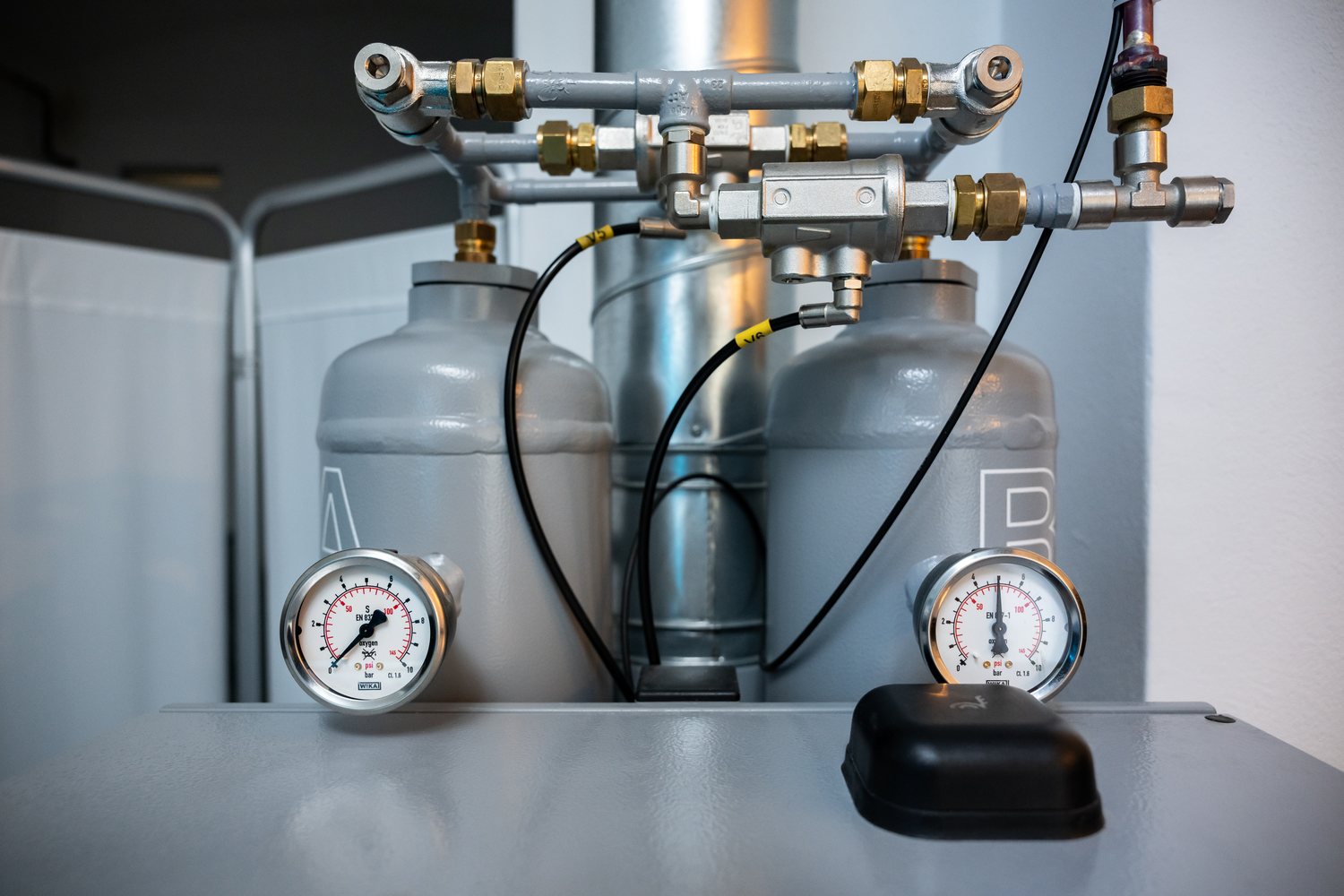
“Oxygen chamber” can mean many very different devices. They differ in price, size and specification. Three parameters decide the outcome: the pressure the chamber reaches, the oxygen concentration it delivers and the way it delivers it. That is exactly where mild and clinical chambers differ.
What makes a chamber clinical-level HBOT
Hyperbaric medicine draws a clear line. Clinical-level hyperbaric oxygen therapy requires at least 2.0 ATA (atmospheres absolute), with the person breathing almost pure oxygen. This is the definition used by the international professional society UHMS.
Mild, low-pressure chambers
Mild chambers work at lower pressure, roughly between 1.3 and 1.5 ATA. Some are portable soft-shell chambers; others are rigid capsules that look from the outside like a clinical facility.
What decides the outcome, though, is not how the chamber looks but what pressure and oxygen concentration it reaches. Even a chamber at around 1.5 ATA stays below the 2.0 ATA threshold required by most documented therapeutic indications. To obtain the full therapeutic effects of HBOT, clinical parameters have to be reached.
Clinical chambers
Clinical chambers reach pressures of 2.0 to 3.0 ATA and deliver almost pure oxygen. Under these conditions the effects associated with HBOT appear: a better oxygen supply to tissue and support for healing. We describe how this works in our article on how HBOT works.
Our clinic works at pressures of up to 2.4 ATA and with oxygen at a concentration of 94% or more, delivered through a BIBS (Built-In Breathing System). It therefore meets even the stricter bar set by approved therapeutic indications.
It is not only about pressure and concentration
Pressure and oxygen concentration are the most important parameters, but not the only ones. The whole system contributes to the final quality. Oxygen purity and filtration, the quality and condition of the equipment, and the way the oxygen is delivered — through BIBS, for example. These elements are interconnected, and only together do they make up real quality. We cover our technology in detail on a separate page, our technology.
Do mild chambers make sense?
Low-pressure chambers tend to be easier to get to and, for some people, more comfortable. They can have their place — for relaxation, for instance, or where a clinical facility is out of reach.
But to obtain the documented therapeutic effects of HBOT, clinical parameters have to be reached. This is not a matter of opinion or advertising. It is a matter of pressure and oxygen concentration.
What to ask about
When you compare offers, ask about three things: the pressure actually reached, the oxygen concentration and the way the chamber delivers it. There is a big difference between a nasal cannula and a BIBS mask. And beyond these figures, ask about the quality of the whole system. That will tell you more than any slogan.
You will find a complete overview of who HBOT helps and where its limits lie in our guide to hyperbaric oxygen therapy.
Where to start
If you want to be sure that you are receiving full clinical-level HBOT, get in touch for a no-obligation consultation. We will gladly explain the parameters of our chamber and what to expect from the therapy. No obligation, no overpromising.
More articles

Diabetic foot: why wounds heal poorly and how oxygen can help
A non-healing wound in someone with diabetes can be very dangerous. Why wounds heal poorly in diabetes, how oxygen can help and why it pays not to wait.
Read more
After surgery and cosmetic procedures: how a hyperbaric chamber supports preparation and recovery
Every operation puts the body under strain. How hyperbaric oxygen therapy can help prepare the body for a procedure and recover from it, and how cosmetic and surgical operations differ.
Read more